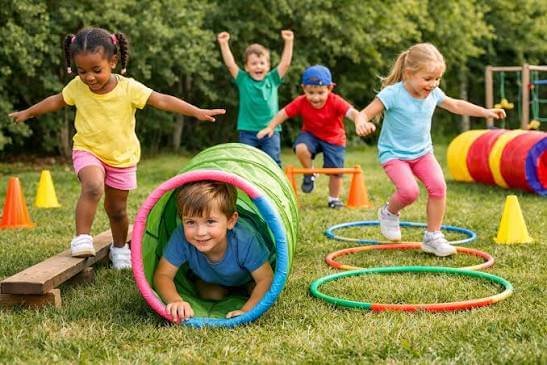

Children naturally enjoy discovering new things. A simple walk through a park, an afternoon in the garden, or a visit to a local nature area can turn into an exciting adventure. Outdoor activities provide opportunities for children to stay active, develop practical skills, and learn about the world around them.
In today’s digital environment, many children spend considerable time watching videos, playing games, and using electronic devices. Technology can be useful for education, but outdoor experiences are equally important. A healthy balance between screen time and outdoor activities can support physical development, creativity, and social interaction.
1. Organize a Nature Scavenger Hunt
A nature scavenger hunt is an easy activity that can be organized in a garden, park, or other safe outdoor location. Parents can prepare a list of things for children to find, such as a yellow flower, a smooth stone, a fallen leaf, or a bird feather.
The goal is not to collect everything but to encourage observation. Children can take photographs or draw pictures of the objects they discover.
For younger children, parents can use simple descriptions and pictures. Older children can search for specific plant shapes, insect types, or different leaf patterns.
This activity encourages curiosity while helping children develop attention to detail.
2. Start a Small Gardening Project
Gardening introduces children to the natural process of plant growth. Even a few containers can provide enough space to grow herbs, flowers, or easy vegetables.
Choose plants that are appropriate for the local climate and available sunlight. Children can help prepare the soil, place seeds, water plants, and observe their development.
A simple gardening journal can make the experience more educational. Children may record when seeds were planted, how tall the plants become, and when the first flowers appear.
Gardening also teaches patience. Plants do not grow immediately, and children gradually understand that healthy results require consistent care.
3. Learn About Birds and Wildlife
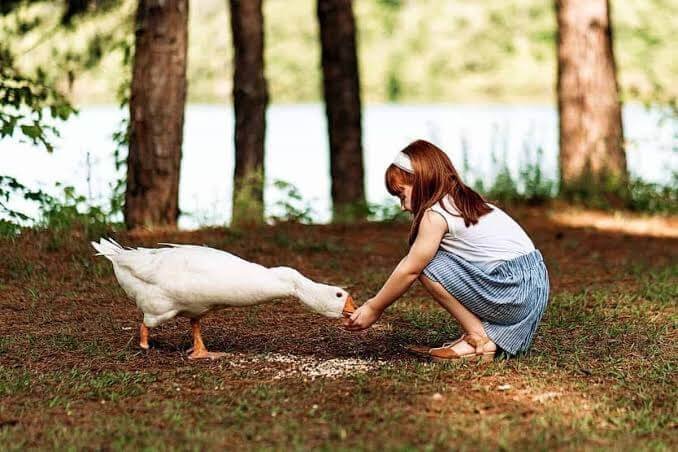
Birdwatching is another enjoyable outdoor activity. Families can visit a suitable park or observe birds from a garden or window. A basic notebook and a pair of binoculars can make the experience more interesting.
Children can observe bird colors, sizes, sounds, and feeding habits. Parents can explain why some birds migrate, how they build nests, and what types of food different species eat.
Water-loving birds are particularly fascinating because they have unique behaviors and physical adaptations. Ducks, for example, have webbed feet that help them move through water.
After observing different birds, children may enjoy learning about their personalities and exploring creative duck naming ideas. It can become a fun language activity in which children invent names based on colors, behavior, or appearance.
Always observe wild birds without disturbing their nests or natural habitats.
4. Plan a Family Picnic
A family picnic combines fresh air, food, and quality time. Choose a clean, safe location and prepare simple meals that are easy to transport.
Bring a blanket, drinking water, reusable containers, and a few outdoor games. Children can play simple activities such as catch, frisbee, or nature-themed guessing games.
Parents can also encourage children to help prepare the picnic. Packing food and organizing supplies provides small opportunities to develop independence.
Remember to collect all rubbish before leaving the area.
5. Explore Nature Through Photography
Photography encourages children to notice small details. Give them a simple camera or a supervised mobile phone and ask them to photograph interesting outdoor subjects.
They might capture a flower, a butterfly, an unusual cloud, or the pattern of tree bark.
Afterward, families can review the photographs together. Children can describe what they saw and explain why they selected each picture.
This activity develops creativity and communication skills while creating a collection of family memories.
6. Build a Simple Outdoor Art Station
Art does not always require expensive supplies. Children can create outdoor artwork using paper, washable paints, crayons, and other safe materials.
They might paint landscapes, draw insects, or create pictures inspired by the colors of different seasons.
Parents can also organize leaf-printing activities using fallen leaves. Make sure children avoid picking protected plants or damaging living trees.
An outdoor art station provides freedom to experiment while allowing children to connect creative activities with their surroundings.
7. Make Learning About Weather Interesting
Weather observation can become a simple science project. Children can record daily temperatures, observe cloud formations, and notice changes in wind or rainfall.
A basic weather chart can help them understand patterns over time. Parents can explain the difference between sunny, cloudy, rainy, and windy conditions.
Children should always remain indoors during thunderstorms or dangerous weather conditions.
Keep Outdoor Activities Safe
Safety should remain a priority during every activity. Apply suitable sun protection, provide drinking water, and choose locations appropriate for children’s ages.
Parents should supervise children near ponds, lakes, roads, unfamiliar animals, and potentially dangerous plants. Appropriate clothing and footwear can also reduce the risk of minor injuries.
It is important to make activities enjoyable rather than turning every experience into a formal lesson. Children learn naturally when they have enough time to explore and ask questions.
See also: Technology and the Future of Education
Conclusion
Outdoor activities offer children countless opportunities to learn, create, and enjoy time with their families. From gardening and birdwatching to photography and nature exploration, even simple experiences can become meaningful educational adventures.
Parents do not need expensive equipment or elaborate plans. A little preparation and a willingness to explore can make an ordinary afternoon memorable. Encouraging children to spend time outdoors helps them develop curiosity and appreciation for the world around them.


 By