
Animals have an important place in many households. From playful dogs and curious cats to colorful birds and small farm animals, spending time with animals can bring happiness and create meaningful family experiences. For children especially, learning about animals can become an enjoyable way to understand nature, responsibility, and kindness.
However, enjoying animals involves more than simply watching them or bringing them home. Responsible interaction requires knowledge, patience, suitable environments, and an understanding of each animal’s individual needs.
Animals Help Children Understand Responsibility
One of the most valuable lessons children can learn from animals is responsibility. Caring for a living creature requires regular attention. Food, clean water, hygiene, suitable shelter, and veterinary care are essential parts of responsible ownership.
Parents can introduce age-appropriate tasks such as filling a water bowl, helping prepare food, or cleaning a supervised outdoor area. These activities teach children that animals depend on people for their well-being.
Adults should always supervise animal care and remain responsible for important decisions. Children may forget tasks or misunderstand an animal’s needs, so parental guidance is essential.
Learning About Different Animal Species
Every animal has its own behavior, physical characteristics, and environmental requirements. Dogs communicate through body language, cats often express themselves through movement and vocalization, and birds may use sounds and displays to communicate.
Learning these differences makes interactions safer and more enjoyable. For example, some animals prefer gentle observation rather than direct handling. Others need plenty of room to move and explore.
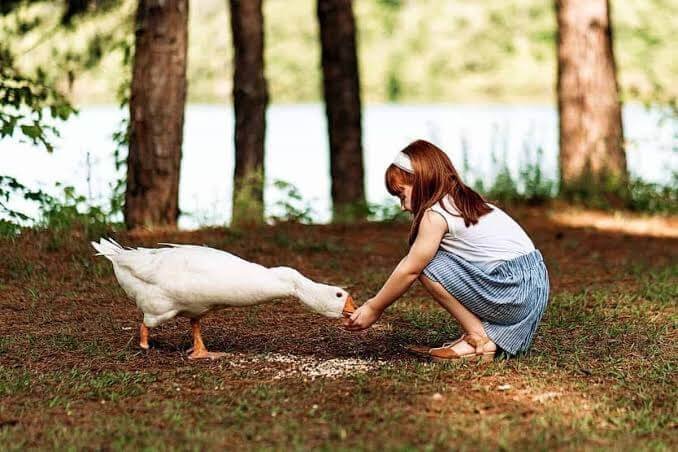
Birds are especially interesting because of their variety. Ducks, chickens, parrots, and other birds have different habits and care requirements. Some enjoy swimming, while others spend most of their time searching for food or exploring their surroundings.
Families interested in learning about bird personalities may also enjoy reading about cute duck names and naming inspiration. Exploring different naming ideas can be a fun starting point for conversations about animal characteristics and individuality.
Building Empathy Through Animal Care
Empathy means understanding and respecting the feelings and needs of others. Animals cannot explain their discomfort using human language, so people must learn to observe their behavior.
A frightened animal might hide, move away, or make warning sounds. A relaxed animal may behave differently. Teaching children to recognize these signals encourages patience and respect.
Parents should explain that animals are not toys. Pulling tails, chasing birds, making loud noises, or forcing an animal to be held can cause stress. Children should learn to approach animals calmly and give them enough personal space.
These lessons can also influence how children treat other people. Respect, patience, and kindness are valuable qualities in every relationship.
The Benefits of Outdoor Animal Activities
Spending time outside gives families opportunities to learn together. Visiting a responsible wildlife sanctuary, observing birds in a park, or exploring a nature trail can be both educational and entertaining.
Birdwatching is one of the simplest activities to begin. Families can carry a notebook, observe different species, and record details such as color, size, feeding behavior, and sounds.
Another enjoyable activity is creating a wildlife-friendly garden. Native flowers can attract butterflies, while suitable shrubs may provide shelter for small birds. A shallow birdbath can also provide drinking and bathing water when maintained properly.
These activities encourage children to notice details they might otherwise overlook.
Understanding Responsible Pet Ownership
Before adopting an animal, families should research its needs carefully. Different species require different diets, habitats, exercise levels, and healthcare arrangements.
A dog may need daily walks and regular training. A cat requires a safe indoor environment, suitable litter facilities, and enrichment. Birds need appropriate housing, social interaction, and specialized diets. Waterfowl require access to clean water and suitable outdoor conditions.
Families should also consider the long-term financial and practical responsibilities of ownership. Veterinary visits, food, equipment, and emergency care can involve significant expenses.
Adopting an animal should always be a carefully considered decision rather than an impulse purchase.
Safety and Hygiene Around Animals
Good hygiene protects both humans and animals. Children should wash their hands after touching animals, cleaning habitats, or handling animal food. Food preparation areas should remain separate from animal-care spaces.
Wild animals should generally be observed from a safe distance. People should never attempt to capture unfamiliar wildlife or feed animals inappropriate foods.
If an animal appears sick, injured, or unusually aggressive, families should avoid unnecessary contact and seek advice from a qualified veterinarian or wildlife professional.
Creating Lasting Family Memories
Some of the best family memories come from simple activities. Watching a bird build a nest, visiting a farm, learning how animals find food, or caring for a garden can become experiences children remember for years.
Photography and nature journals are useful ways to record these moments. Children can draw animals, write observations, and learn new facts about the species they encounter.
Conclusion
Animals can bring valuable learning experiences into family life. They encourage curiosity, compassion, responsibility, and respect for the natural world. The most important thing is to remember that every animal deserves proper care and a suitable environment.
By combining education with responsible interaction, families can develop a deeper appreciation for wildlife and create positive experiences that continue throughout childhood and adulthood.


 By