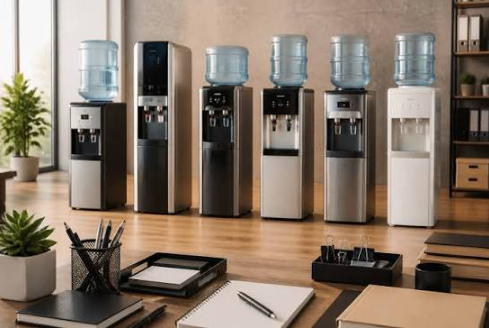

Access to drinking water is an important part of a comfortable workplace. Employees may need water throughout the day for hydration, preparing hot beverages and supporting everyday routines. A suitable dispenser can make this access more convenient while reducing the need for individual bottled water purchases.
Workplace water dispensers are available in different designs and capacities. Choosing the right model involves understanding staff requirements, available space, water supply arrangements and maintenance responsibilities.
Why Water Access Matters at Work
Employees spend a significant part of their day in offices, workshops and other professional environments. Convenient access to drinking water supports daily routines and helps create a more comfortable working space.
A shared dispenser can provide a central location where staff refill cups or bottles. In offices with many employees, this may be more practical than relying on small individual containers.
The location of the dispenser should allow easy access without creating congestion in busy areas. Break rooms, kitchens and shared refreshment spaces are common places to consider.
Understanding Hot and Cold Water Functions
Hot and cold dispensers offer different temperature options through one unit. Cold water can be useful for drinking, while hot water may be used for tea, coffee and other beverages.
Some models may offer additional temperature settings or safety features. These can be useful in workplaces where employees have different preferences.
Before selecting a model, review its operating instructions and safety arrangements. Hot-water outlets should be designed to reduce accidental contact, particularly in workplaces where visitors or children may be present.
Estimating Workplace Demand
The number of employees is an important factor when choosing a dispenser. A small office may have modest daily demand, while a larger workplace may require higher capacity or more than one unit.
Consider the number of people using the dispenser, the frequency of use and whether it will serve visitors as well as employees.
Peak periods should also be considered. If many staff members take breaks at the same time, a dispenser with insufficient capacity may create queues.
Considering Space and Installation
Available space can influence the type of dispenser selected. Countertop units may suit smaller kitchens, while floor-standing models can provide a separate refreshment point.
Some systems connect directly to a water supply, while others use replaceable bottles. Each arrangement has different installation and operating requirements.
For a connected system, check water pressure, plumbing access and drainage needs where applicable. The installation location should also allow sufficient space for cleaning and servicing.
Maintenance and Hygiene
Workplace dispensers need regular cleaning and maintenance. Surfaces, outlets and drip trays should be kept clean according to the manufacturer’s instructions.
If the system uses filters, replacement schedules should be followed. A workplace should assign responsibility for checking service dates and arranging maintenance.
Employees should also be encouraged to use clean reusable bottles or cups. Good hygiene practices help maintain a pleasant shared refreshment area.
Comparing Operating Costs
The purchase price is only one part of the overall cost. Businesses should also consider energy use, filter replacements, servicing, water supply arrangements and expected product lifespan.
A lower-cost unit may not provide the capacity or reliability required by a busy workplace. Comparing specifications and warranty conditions can help businesses assess long-term value.
Finding a Suitable Workplace Water Solution
Organisations considering a hot cold water dispenser can review workplace water solutions and compare available systems with their staff numbers, space and usage requirements. Product specifications and servicing arrangements should be checked before installation.
Frequently Asked Questions
1. What is the benefit of a hot and cold water dispenser?
It provides access to water at different temperatures from one unit, supporting drinking and hot beverage preparation.
2. How many dispensers does an office need?
This depends on employee numbers, building layout and usage patterns. Larger workplaces may need several units to provide convenient access.
3. Do workplace dispensers require regular maintenance?
Yes. Cleaning, filter replacement where applicable and periodic servicing help maintain proper operation and hygiene.
Conclusion
A workplace water dispenser can make daily refreshment arrangements more convenient for employees and visitors. The right choice depends on capacity, temperature options, installation requirements, hygiene and operating costs. By assessing actual workplace demand and planning maintenance responsibilities, businesses can select a system that supports their environment over the long term.


 By