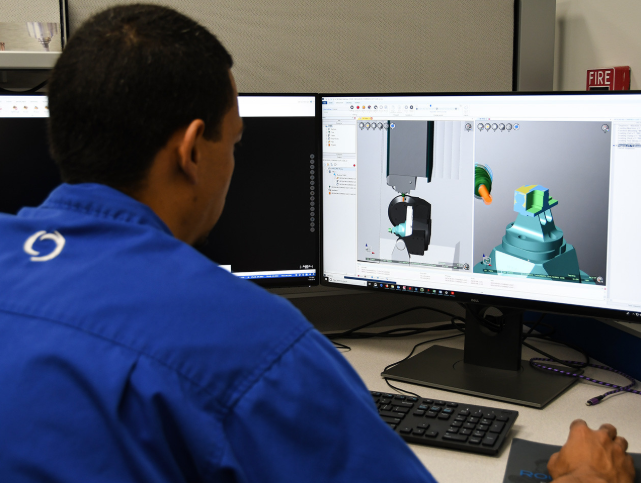

Many hobbyists start CNC work as a fun side project. Over time, some want to take things further. They dream of selling products or building a small business.
Making this jump is not just about buying a bigger machine. The right software plays a huge role too. It can help hobbyists work faster, smarter, and with more confidence.
See also: Florida Housing Market Trends and Forecast
Why Software Matters as Much as Hardware
New makers often focus only on machines. But software controls how designs turn into finished products. Good software can make a big difference in speed and accuracy.
Choosing the wrong software can slow down your work. It may also limit what kinds of projects you can create.
This is why understanding your options matters, whether you are just starting out or planning a professional CNC upgrade down the road.
Benefits of using the right software include:
- Faster project setup
- Fewer mistakes during cutting
- Better design flexibility
- Smoother transition to bigger projects
Starting with Beginner-Friendly Tools
Every skilled maker started somewhere. Most begin with simple, easy-to-learn software before moving to more advanced programs.
This step is important. It helps build a strong foundation before tackling complex designs.
Trying out beginner CNC programs is a smart way to learn basic skills like file setup, material settings, and simple design work.
Common features found in beginner software include:
- Simple design tools
- Easy file import options
- Basic cutting path settings
- Helpful tutorials for new users
Signs You Are Ready to Scale Up
Not every hobbyist needs advanced software right away. But there are signs that show when it might be time to grow.
You Are Taking on Bigger Orders
If customers are asking for more products, faster turnaround may require better tools.
Your Designs Are Getting More Complex
Basic software may struggle with detailed or advanced projects. This is often when upgrades become necessary.
You Want More Control Over Settings
Advanced software often allows finer control over speed, depth, and cutting paths.
You Are Ready to Invest in Growth
Scaling up usually means investing time and money into better tools and training.
Choosing the Right Software for Growth
Picking new software should match your current skills and future goals. A few tips can help guide your choice.
- Look for software that matches your machine type
- Choose programs with strong community support
- Check if tutorials are available for learning new features
- Compare free trials before committing to a purchase
- Think about long-term project goals, not just current needs
Taking time to research will help you avoid switching tools too often.
Building Good Habits While Scaling Up
Growing a hobby into something bigger takes more than new tools. Good habits make the transition smoother.
- Keep learning new features gradually
- Practice on scrap materials before big projects
- Stay organized with file storage and project tracking
- Join online communities for tips and support
- Set realistic goals for growth
These habits help hobbyists build confidence as they take on bigger challenges.
FAQ
1. Do I need expensive software to start CNC work?
No. Many beginners start with free or low-cost software before upgrading later.
2. When should I consider more advanced software?
This usually happens when your designs become more complex or your business starts growing.
3. Can I switch software easily as I grow?
Yes, but it may take time to learn new tools. Choosing software with good tutorials can help.
4. Is advanced software harder to learn?
It can take more practice, but most users adjust over time with patience.
5. Do I need new software every time I upgrade my machine?
Not always. Some software works with multiple machine types, but it is best to check compatibility first.
Conclusion
Scaling up a CNC hobby takes more than just new equipment. The right software plays a key role in helping makers work faster and take on bigger projects.
Starting with simple tools and growing over time builds strong skills. With patience and the right resources, hobbyists can turn their passion into something bigger.


 By
By