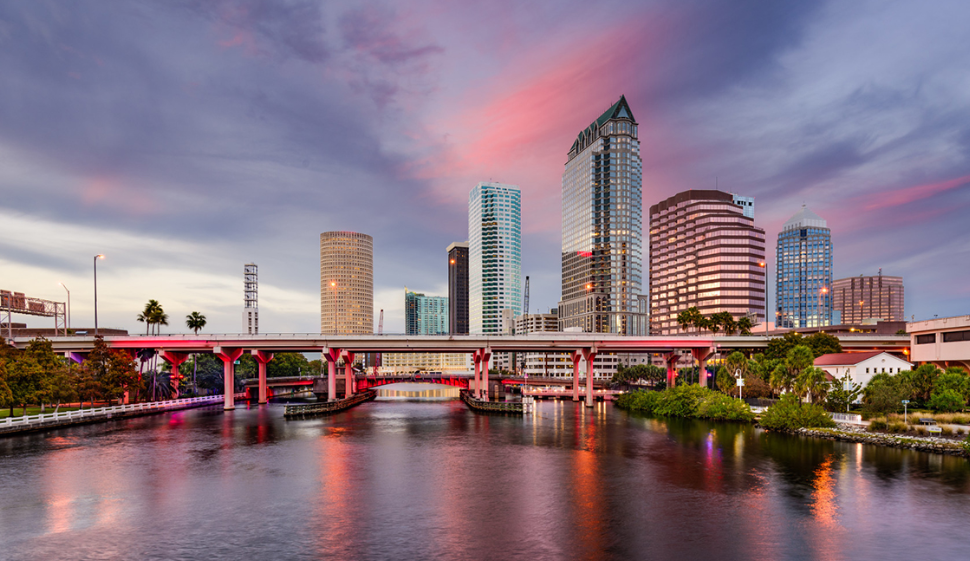

Understanding the dynamics of the Florida housing market is crucial for anyone looking to buy, sell, or invest in real estate within the state. Known for its sunny weather and vibrant lifestyle, Florida continues to attract a diverse population, from retirees to young professionals. As we delve into the 2026 trends and predictions, we’ll uncover key factors influencing the market and the prospects for the future.
Current Market Overview
Florida’s real estate market has been marked by both highs and lows. The state’s appeal has led to significant population growth, fueling demand for housing. However, the realities of rising insurance costs, interest rates, and the aftermath of natural disasters like Hurricane Ian have complicated market dynamics.
Rising Prices and Insurance Challenges
The median home price in Florida has risen to $420,700, a 3.3% increase from the previous year. Cities like Miami and Tampa have experienced significant price jumps, driven by high demand and limited inventory. However, rising insurance premiums pose a substantial barrier, with rates skyrocketing due to increased risk from natural disasters. This has pushed some residents to relocate, affecting market stability.
Key Trends Shaping the Market
To navigate the Florida housing market effectively, it’s essential to recognize emerging trends:
- New construction and inventory: Florida leads the nation in new construction permits, spurred by the pandemic-induced migration and the need for rebuilding efforts post-Hurricane Ian. This increase has led to a 38.4% rise in homes for sale as of May 2026.
- Market competitiveness: The median days on market in Florida is currently 53 days. This indicates a more buyer-friendly environment compared to previous years, though certain areas like Miami still see quicker sales.
- Foreclosure rates and affordability: Florida has one of the highest foreclosure rates in the country, ranking fifth nationally. This reflects broader economic pressures, including rising mortgage rates and the lack of affordable housing options.
Predictions for 2026
What can prospective buyers and investors expect from the Florida housing market predictions in 2026? The forecast suggests a complex landscape:
See also: Business Casual Outfits That Actually Work in a Modern Workplace
Housing Market Predictions
Experts predict a continued rise in home prices at a moderate pace. While the market won’t likely crash, conditions will remain challenging due to high interest rates and limited inventory. Buyers should prepare for competitive bidding environments, particularly in desirable areas.
- Interest rate impact: Mortgage rates hovering above 7% are likely to persist, making homeownership less attainable for many. This will slow down purchasing and potentially stabilize prices.
- Insurance and natural disasters: The ongoing insurance crisis will influence buyer decisions, with many seeking properties outside high-risk disaster zones.
Likelihood of a Market Crash
When will the housing market crash in Florida? Current indicators suggest stability rather than drastic downturns. Florida remains resilient due to its attractiveness and continual population growth. However, financial prudence is advised, as buying conditions may remain stringent.
Local Market Highlights
Several locales within Florida are drawing significant interest:
- Winter Park: Known for its appealing community ambiance, Winter Park has seen a home price increase of 16.1%, offering potential opportunities for buyers.
- Orlando: While competitive, Orlando’s market provides faster sales with homes often selling below list price, appealing to strategic purchasers.
- Coral Gables: A luxurious market with a median home price of $1.35 million, Coral Gables attracts high-end buyers despite longer sale times.
Economic Influences
The overall health of Florida’s housing market is deeply intertwined with broader economic factors:
- Inflation: At 3.9%, Florida’s inflation rate reflects broader economic challenges. These pressures impact everything from housing affordability to daily living costs.
- Population changes: Despite rising costs, Florida’s population continues to grow, projected to welcome 275,000 new residents in 2026. This influx maintains housing demand, though affordability concerns loom large.
Conclusion
The Florida housing market showcases a blend of opportunity and challenge. For investors and buyers, understanding these nuances is key to navigating the state’s real estate landscape. With careful planning and strategic decisions, leveraging Florida’s continued growth remains possible despite economic headwinds. Stay informed, consult with real estate professionals, and approach the market with a clear strategy to make the most of 2026’s conditions.


 By
By
 By
By