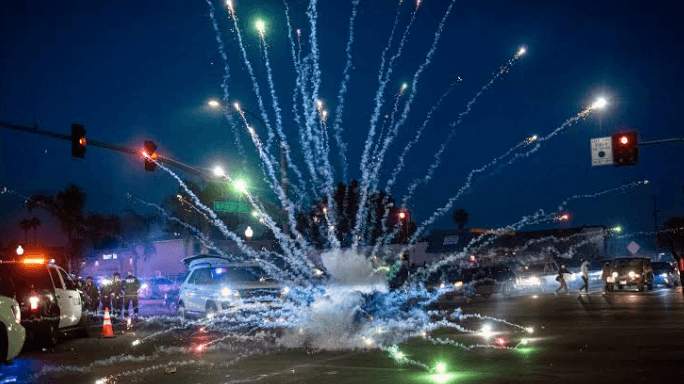

Cities across the region are tightening their rules on fireworks ahead of major summer holidays. As celebrations approach, local governments are reexamining how they enforce fireworks laws and whether existing penalties go far enough.
For drivers, this shift matters. A firework ban does more than change what residents can legally set off. It also reflects a growing concern about the accidents, injuries, and traffic disruptions that fireworks can cause on public roads.
Why Local Governments Are Cracking Down
Every year, thousands of people need emergency treatment for firework-related injuries. This has pushed local leaders to reconsider how fireworks are regulated in their communities.
Illegal fireworks have long created problems for local governments. Officials have explored various legislative tools, from holding property owners accountable to enacting a full firework ban within city limits.
The Rise of Social Host Ordinances
Many local governments have adopted social host ordinances. These rules make property owners financially responsible when illegal fireworks are used on their land.
This approach shifts liability toward those who allow illegal activity to happen, even if they did not personally set off the fireworks. The trend has continued to expand as officials search for more effective deterrents.
How a Firework Ban Typically Works
Some cities choose to prohibit fireworks entirely. A full firework ban usually makes it a misdemeanor to discharge, sell, manufacture, or transport any fireworks within city limits.
These bans often apply broadly. There are typically no exceptions for consumer-level products, and violations can carry steep financial penalties along with potential jail time.
Permits for Public Displays
Even with a firework ban in place, organized public displays are not automatically banned. Event organizers usually must apply for a permit well in advance and coordinate with fire and police departments.
This process helps ensure that public shows meet safety standards. It also allows officials to plan for road closures and crowd control ahead of time.
Escalating Penalties for Repeat Violations
Many jurisdictions use tiered penalty structures rather than flat fines. The goal is deterrence, not just punishment.
Fines can increase significantly with each additional violation. Some areas impose fines reaching into the thousands of dollars for repeat offenders.
Understanding the Legal Framework Behind Fireworks
Firework regulation operates on multiple levels. Understanding how these layers interact helps explain why rules vary so much from one area to another.
Federal Oversight
Federal regulators oversee the manufacturing, importing, and classification of fireworks. This includes standards for explosive force, fuse timing, and overall safety.
State Regulations
State fire officials classify which fireworks are legal for personal use. While certain novelty items are often allowed unless locally restricted, aerial and explosive devices are generally prohibited for consumers.
Local Ordinances
Local governments decide how strictly to enforce fireworks laws. This creates a patchwork of rules, meaning a firework ban in one area may not apply just a few miles away.
Why Fireworks Create Serious Driving Hazards
Fireworks are not just a legal issue. They also pose a real danger to drivers and passengers on the road.
Sudden Visual and Auditory Distractions
Bright flashes and loud booms can startle drivers without warning. This can cause a driver to swerve into another lane or slam on the brakes unexpectedly.
These reactions often lead to rear-end collisions or side-impact crashes. Even experienced drivers can struggle to react safely to sudden stimuli.
Mental Distraction Behind the Wheel
Distracted driving remains one of the leading causes of car accidents. Fireworks add another layer of risk by pulling attention away from the road.
Excited passengers can also contribute to driver distraction. When emotions run high inside a vehicle, drivers may find it harder to stay focused on safe driving.
Traffic Disruptions Linked to Fireworks Events
Fireworks displays often lead to unexpected traffic complications. Drivers should be aware of how these events can affect their routes.
- Road closures near display areas can force sudden detours.
- Increased pedestrian traffic requires extra caution and reduced speed.
- Driver distraction near displays raises the risk of collisions.
- Post-event congestion can lead to long delays and gridlock.
What Residents Should Keep in Mind
Whether or not your area enforces a full firework ban, it is important to understand local rules before major holidays. Fines and enforcement efforts have increased in many areas, with some agencies using new technology to catch violations.
If you plan to celebrate with legal fireworks, always confirm current local rules first. When in doubt, attending an official public display is often the safer choice.
Key Takeaways for Safer Celebrations
Fireworks-related regulations continue to evolve, and staying informed can help you avoid legal trouble and safety risks.
- Confirm local rules before any holiday involving fireworks.
- Understand permit requirements if organizing a public display.
- Avoid illegal fireworks entirely, since aerial devices remain prohibited for personal use in many areas.
- Consider attending a professional display instead of using fireworks at home.
- Plan driving routes around known fireworks events to avoid delays and hazards.
How an Experienced Attorney Can Help
Firework-related accidents can lead to serious injuries, property damage, and confusing questions about liability. Determining fault becomes even more complicated when a firework ban or local ordinance is involved.
An experienced personal injury attorney can investigate the circumstances of the crash, gather evidence, and identify all responsible parties. This may include a distracted driver, an event organizer, or a property owner who violated local fireworks laws.
An established personal injury law firm can also help navigate insurance claims and negotiate for fair compensation. If you were injured in a firework-related accident, speaking with an experienced attorney can help protect your rights and guide you toward the compensation you deserve.

 By
By
 By
By