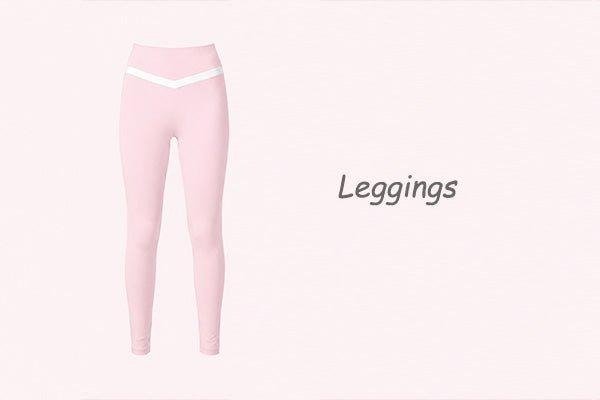

Hot yoga is a different kind of practice. The room is warm, the sweat starts early, and by the middle of the session everything you are wearing is working hard. That is why yoga leggings for hot yoga need to do more than look good: they need to manage moisture, stay in place when you are soaked, and keep you comfortable from the first breath to the final savasana.
Why Hot Yoga Demands Different Leggings
In a regular class, yoga leggings mainly need stretch and coverage. In hot yoga they also need to cope with constant sweat. Fabric that absorbs moisture will feel heavy and clammy within minutes, and a waistband that slips when wet will distract you at every turn. The right yoga leggings for a heated room are built around one job above all: moving sweat away from your skin as fast as you produce it.
That does not mean sacrificing everything else. You still need full opacity in deep poses, a waistband that holds through inversions, and seams that will not chafe when the fabric is damp. The best hot-yoga leggings simply do all of that while staying light and dry to the touch.
Moisture-Wicking Fabric
The single most important feature is the fabric. Look for yoga leggings made from a polyester or nylon blend with strong moisture-wicking properties. These fabrics pull sweat to the surface, where it can evaporate, instead of soaking it up the way cotton does. A smooth, matte finish often performs better than a shiny one, which can feel sticky once you start to sweat.
Some leggings use a brushed inner face for softness, but for hot yoga a smooth inner face is usually the better choice: it slides against damp skin instead of clinging. A lighter weight fabric also helps, since heavy, dense knits trap heat. Hold the leggings up to the light and feel the weight in your hands; the best hot-yoga pairs feel almost feather-light.
Waistband and Fit When You Sweat
A waistband that holds when you are dry can behave very differently when you are wet. For hot yoga, a high-rise waistband with a wide, flat construction and a silicone grip strip inside is the most reliable combination. The grip keeps the waistband from sliding during forward folds and inversions, even when your skin is damp.
Fit should be snug but never tight. Leggings that squeeze too hard will feel restrictive once your body warms up and your muscles fill with blood, while leggings that are too loose will slide and bunch. Try the squat test in the shop: if the fabric goes sheer or the waistband drops when you bend deeply, keep looking.
Grip, Coverage and Practical Details
Coverage matters even more in a heated room, because wet fabric can turn transparent. Choose yoga leggings in a dense knit and test them stretched over your knee in bright light. Darker colours are the safest choice for hot yoga, since they hide any hint of sheerness and do not show sweat marks as clearly as pale shades.
Small details make a difference too. Flatlock seams lie flat against the skin and prevent chafing when the fabric is damp. A gusseted crotch improves the range of motion and takes stress off the seams during deep lunges. And if you like to keep a hair tie or a locker key close, a small waistband pocket is a handy addition.
Choosing Colours and Prints
Dark, solid colours are the practical choice for hot yoga, but that does not mean your wardrobe has to be dull. Deep teal, burgundy and charcoal all hide sweat well and look elegant in the studio. If you love prints, choose a busy pattern rather than a pale solid, since patterns disguise damp patches far better. Many practitioners keep one or two dark pairs for hot classes and save lighter colours for slower, cooler sessions.
5 Hot-Yoga Legging Essentials
- True moisture-wicking fabric: sweat moves to the surface and evaporates fast.
- A grip waistband: wide, high-rise and steady even when you are soaked.
- Full opacity when wet: dense knit, tested stretched in bright light.
- Flatlock seams: no rubbing or chafing against damp skin.
- Lightweight feel: thin enough to stay cool, strong enough to hold its shape.
Caring for Your Yoga Leggings After a Sweaty Session
Sweaty leggings need prompt care. Rinse them in cold water as soon as you can after class, or at least hang them to air before they sit in a bag. Wash on a gentle cold cycle, inside out, and skip fabric softener, which coats the fibres and reduces wicking. Never tumble dry: heat breaks down elastane, and for hot-yoga leggings that stretch is what keeps them working. Air drying keeps them performing session after session.
See also: Technology and the Future of Education
Frequently Asked Questions
Can I wear normal yoga leggings for hot yoga?
You can, but moisture-wicking leggings will feel much more comfortable. Cotton-rich pairs absorb sweat, grow heavy and take a long time to dry, which is distracting in a heated room.
How do I stop leggings slipping in hot yoga?
Choose a high-rise waistband with a silicone grip strip, make sure the fit is snug rather than loose, and avoid lotions on your waistline before class, since they reduce grip.
What colour is best for hot yoga?
Dark, solid colours or busy prints hide sweat marks best. Pale, plain shades show damp patches quickly, so save those for cooler practices.
Final Thoughts
Hot yoga asks a lot of your kit, and yoga leggings are the piece that works hardest. Choose a lightweight, moisture-wicking pair with a grip waistband, full opacity and flat seams, and the heat becomes something you enjoy rather than something you fight. When your leggings keep you cool and dry, you can give the practice your full attention.

 By






 By