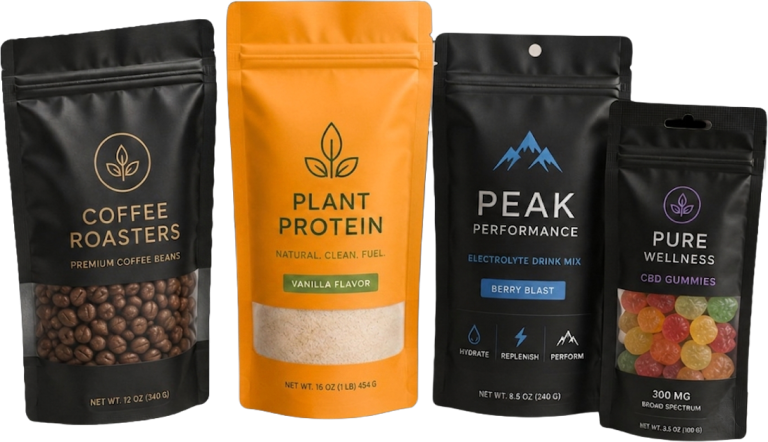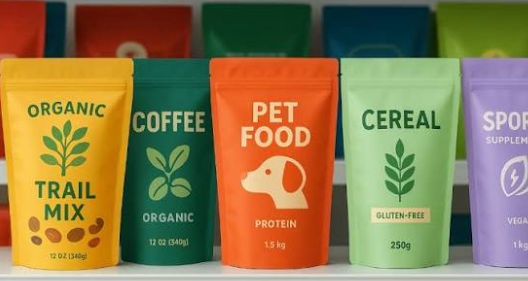

If you sell food products, you already know the shelf is a battleground. Shoppers make decisions in seconds. Your product has to catch their eye, hold up during shipping, keep food fresh, and still look good at the store. That’s a lot to ask of a bag. But that’s exactly what custom flexible packaging is built to do.
More food brands are moving away from rigid containers and bulky boxes. They want packaging that adapts to their product, tells their story, and keeps contents protected. Custom flexible packaging checks all those boxes — and then some.
What Makes Flexible Packaging Different from Traditional Options
Traditional rigid packaging — think glass jars, metal cans, hard plastic containers — served its purpose for decades. But it comes with real drawbacks. It’s heavy, expensive to ship, and not always the best choice for shelf display.
Flexible packaging changes the game. It’s lightweight, easy to store, and gives brands a full canvas for printing. Whether you’re packaging coffee, snacks, sauces, or dry goods, flexible pouch packaging can be designed to match your exact needs.
The material used in flexible packs is also a big deal. Modern laminates and barrier films are engineered to block out oxygen, moisture, and light — the three main enemies of food freshness. That means longer shelf life without artificial preservatives.
Stand Up Pouches: The Workhorse of Food Retail
Walk down any grocery aisle, and you’ll see them everywhere. Stand-up pouches have become one of the most popular formats in food retail — and for good reason.
They hold their shape on the shelf. They show off your branding with full 360-degree print coverage. They come with resealable zippers, tear notches, and even clear windows so customers can see what’s inside. That kind of packaging builds trust before a customer even reads the label.
For food brands launching new SKUs or testing new markets, stand-up pouches also offer a big advantage in terms of minimum order quantities and lead times. You don’t have to commit to a massive run to get professional-grade packaging.
Why Resealable Features Matter to Your Customers
A resealable zipper does more than keep food fresh. It tells the customer you thought about their experience. Nobody wants to clip a bag shut with a clothespin or transfer chips into a bowl. A clean, easy-to-close zipper adds a small luxury that keeps people coming back.
It also reduces food waste, which is something more consumers care about today. A bag that reseals well means the product inside gets used fully — and that’s a selling point you can put right on your label.
The Role of Mylar Bags in Barrier Protection
When you need serious protection, mylar bags step in. Originally developed for industrial use, mylar film has become a go-to material for food brands that need maximum shelf life and airtight seals.
Coffee roasters love them. Supplement companies rely on them. Cannabis brands swear by them. Mylar bags block out moisture and oxygen far more effectively than standard plastic films. For products that need to stay fresh for months — or even years — there’s no better option.
They’re also available in a range of finishes: matte, glossy, metallic, and kraft. That means your branding doesn’t have to suffer just because you want superior protection. You can have both.
Custom Sachet Packaging for Single-Serve Products
Not every product comes in a family-size pouch. Single-serve is a booming format — think protein powder samples, single-use condiment packs, or portion-controlled snack bags. That’s where custom sachet packaging comes in.
Sachets are small but mighty. They’re great for sampling campaigns, subscription boxes, and on-the-go convenience products. And because they use minimal material, they’re often the most cost-effective way to package small quantities without sacrificing quality.
Brands like those working with contipackinc can customize sachets down to the exact gram weight, seal style, and print finish. Every detail matters when you’re trying to make a strong impression at a small scale.
Food Packaging Solutions That Work Across Categories
One of the best things about food packaging solutions in the flexible format is how adaptable they are. A flat bottom pouch works great for coffee. A quad seal bag is perfect for pet treats. A roll stock film is ideal for high-speed automated lines.
You don’t need a different vendor for every product type. A good flexible packaging partner can handle them all — from structure selection and print to final quality checks before shipment. That kind of one-stop service saves time and reduces errors across your packaging lineup.
How Barrier Packaging Extends Shelf Life
Let’s get a little technical for a second — because it matters. Barrier packaging refers to films that are engineered to limit how much oxygen, moisture, and light can pass through the material.
The higher the barrier, the longer your product stays fresh. For dry goods like nuts, spices, or freeze-dried meals, a high-barrier laminate can extend shelf life from weeks to months. That means less waste, fewer markdowns, and happier customers.
When you work with a packaging supplier, always ask about oxygen transmission rate (OTR) and moisture vapor transmission rate (MVTR). Those two numbers tell you more about real-world protection than any marketing claim.
Flexible Pouch Packaging and Sustainability
Sustainability has moved from a trend to a requirement. Retailers are asking their suppliers to reduce plastic. Consumers are reading labels. Regulations are tightening.
Here’s the good news: flexible pouch packaging actually uses significantly less material than rigid alternatives. A stand-up pouch uses up to 60% less plastic than an equivalent rigid container. It weighs less, takes up less space, and generates less waste at the end of life.
Many flexible packaging suppliers now offer recyclable mono-material options — single-layer PE or PP films that can go into standard plastic recycling streams. If sustainability is part of your brand story, this is worth exploring with your packaging partner.
What to Look for in a Flexible Packaging Supplier
Not all suppliers are created equal. When you’re choosing a flexible packaging partner, a few things matter most.
First, look at their material options. A good supplier should offer a range of films — standard, high-barrier, compostable, and recyclable. They should be able to match the material to your product’s actual needs, not just upsell you on the most expensive option.
Second, look at their printing capabilities. Rotogravure printing offers the sharpest results for high-volume runs. Digital printing is better for short runs and fast turnarounds. A supplier that offers both gives you the most flexibility as your business scales.
Third, ask about minimum order quantities. If you’re a growing brand, you can’t always commit to 50,000 units at a time. A supplier that works with smaller MOQs early on — and scales with you — is worth more than one that only serves large clients. It’s also worth noting that brands using Pallet Wraps for secondary packaging can often consolidate shipments and reduce freight costs significantly.
Getting Your Packaging Right the First Time
One of the most common mistakes food brands make is treating packaging as an afterthought. They nail the product formula, build the brand identity, and then scramble to find a bag that fits.
The smarter move is to bring packaging into the conversation early. Your packaging structure affects your production line. The material you choose affects your product’s shelf life. The zipper style affects the customer experience. These are not small decisions.
Work with your packaging supplier on a structural brief before you start designing artwork. Know your fill weight, your storage conditions, and your retail channel. That information shapes every packaging decision — from film thickness to seal strength to label real estate.
See also: Business Casual Outfits That Actually Work in a Modern Workplace
Conclusion
Winning on the shelf takes more than a great product. It takes packaging that protects, performs, and connects with customers at a glance. Custom flexible packaging gives food brands the tools to do all three.
Whether you’re launching a new snack line, scaling a coffee brand, or breaking into food retail for the first time, the right flexible pouch packaging can make a real difference. It protects your product, tells your story, and works hard in a competitive retail environment.
Take the time to get your packaging right. Talk to a supplier who understands your category and can guide you from material selection all the way through to production. The investment pays off — in better shelf presence, fewer quality issues, and customers who come back for more.


 By
By
 By
By