
The demand for faster, more reliable internet has never been greater. As digital lifestyles continue to evolve, consumers and businesses alike expect seamless connectivity for streaming, cloud computing, remote work, online learning, gaming, and smart technologies. Traditional broadband infrastructure often struggles to meet these growing expectations, creating a need for more advanced solutions capable of delivering consistent high-speed performance. This is where an FTTH company plays a critical role in transforming modern telecommunications networks.
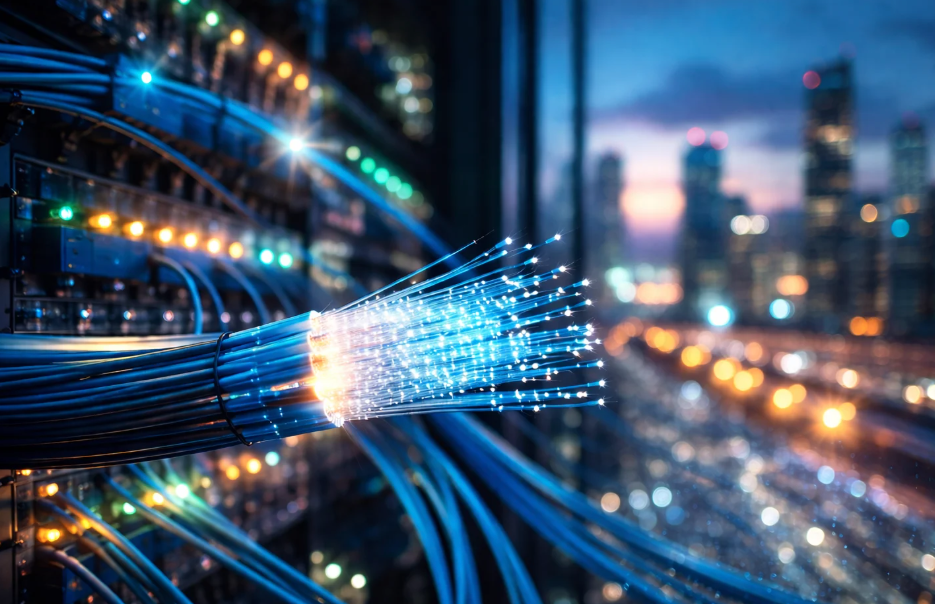
Fiber to the Home, commonly known as FTTH, represents one of the most significant advancements in internet infrastructure over the past decade. Unlike traditional copper-based systems, FTTH networks use fiber optic cables to deliver data directly to residential and commercial properties. This direct fiber connection enables significantly faster speeds, lower latency, improved reliability, and greater scalability. As nations continue investing in digital transformation initiatives, FTTH deployment has become a central component of future-ready infrastructure strategies.
The rise of smart homes, connected devices, artificial intelligence applications, and cloud-based services is creating unprecedented pressure on broadband networks. Households that once used the internet primarily for browsing and email now rely on dozens of connected devices simultaneously. Video conferencing, 4K streaming, online gaming, and remote collaboration tools demand stable and high-capacity connections. FTTH technology has emerged as the preferred solution for supporting these increasingly complex digital requirements.
Understanding the FTTH Revolution
The concept behind Fiber to the Home is straightforward yet highly impactful. Instead of relying on traditional copper wiring for the final connection to homes and businesses, fiber optic cables extend directly from the service provider’s network infrastructure to the end user. This approach eliminates many of the limitations associated with older broadband technologies.
Fiber optic cables transmit information using pulses of light rather than electrical signals. This allows data to travel over longer distances with minimal signal degradation while supporting significantly higher bandwidth capacities. As a result, users experience faster download and upload speeds, greater network stability, and improved overall performance.
For modern consumers, these advantages translate into a smoother digital experience. Streaming platforms load instantly, video calls remain clear and uninterrupted, and large files can be transferred in seconds rather than minutes. Businesses also benefit from improved operational efficiency, particularly when utilizing cloud applications and data-intensive services.
See also: Technology and the Future of Education
Why Demand for FTTH Services Is Growing Rapidly
Several factors are contributing to the global expansion of FTTH networks. The first is the increasing reliance on digital platforms in both personal and professional environments. Remote and hybrid work models have become a permanent reality for many organizations, creating a need for dependable high-speed internet access.
Educational institutions have also embraced online learning technologies. Students increasingly depend on virtual classrooms, cloud-based resources, and interactive digital tools that require stable broadband connections. At the same time, entertainment consumption continues shifting toward streaming services that demand higher bandwidth than traditional television delivery methods.
Another major driver is the rapid growth of smart home ecosystems. Devices such as security cameras, smart thermostats, voice assistants, connected appliances, and home automation systems continuously exchange data through internet connections. As the number of connected devices per household increases, network requirements grow accordingly.
FTTH networks provide the capacity needed to support these evolving usage patterns without compromising performance. This scalability makes fiber infrastructure an attractive long-term investment for both service providers and communities.
The Role of FTTH Companies in Digital Transformation
FTTH companies serve as the architects of modern connectivity infrastructure. Their responsibilities extend far beyond simply installing fiber cables. These organizations are involved in network design, engineering, deployment, maintenance, customer support, and future capacity planning.
One of their most important contributions is enabling economic development through improved connectivity. High-speed broadband access supports business growth, attracts investment, enhances educational opportunities, and improves access to digital services. Communities with advanced broadband infrastructure are often better positioned to compete in an increasingly digital economy.
FTTH providers also help bridge the digital divide by extending high-quality internet access to underserved areas. In many regions, limited connectivity has historically restricted educational, professional, and economic opportunities. Expanding fiber infrastructure can help reduce these disparities and promote greater digital inclusion.
Key Benefits of Fiber to the Home Technology
Superior Speed and Performance
Fiber networks are capable of delivering significantly higher speeds than traditional broadband technologies. Many fiber connections support symmetrical upload and download speeds, which is particularly valuable for remote work, cloud collaboration, and content creation.
Enhanced Reliability
Because fiber optic cables are less susceptible to electromagnetic interference and environmental factors, they often provide more stable connections than copper-based alternatives. This reliability is essential for users who depend on uninterrupted connectivity.
Future-Proof Infrastructure
One of the most compelling advantages of FTTH is its long-term scalability. As technology continues advancing, fiber infrastructure can support increasing bandwidth demands without requiring complete network replacement.
Lower Latency
Latency plays a critical role in applications such as online gaming, video conferencing, and real-time cloud services. Fiber networks typically offer lower latency, resulting in faster response times and improved user experiences.
The Future of FTTH Networks
The future of broadband connectivity is closely linked to fiber deployment. Emerging technologies such as artificial intelligence, virtual reality, augmented reality, smart cities, autonomous systems, and advanced cloud computing applications will require increasingly sophisticated network infrastructure.
As digital ecosystems continue expanding, fiber networks will become even more important. Governments, telecommunications providers, and private investors are recognizing the strategic value of fiber infrastructure as a foundation for economic growth and technological innovation.
Industry analysts predict that global fiber adoption will continue accelerating throughout the coming years. Increasing consumer expectations, expanding digital services, and ongoing technological innovation will drive further investment in FTTH deployment across urban, suburban, and rural regions.
Final Thoughts
The evolution of internet connectivity is transforming how people work, learn, communicate, and consume information. Fiber to the Home technology represents one of the most effective solutions for meeting the growing demands of an increasingly connected world. By delivering faster speeds, greater reliability, and future-ready scalability, FTTH networks provide the foundation required for modern digital experiences.
As households and businesses continue adopting bandwidth-intensive applications, the importance of robust broadband infrastructure will only increase. Communities that invest in fiber connectivity today are positioning themselves for greater economic resilience and technological advancement in the years ahead.
FTTH company remain at the center of this transformation. Through innovation, infrastructure development, and long-term planning, these organizations are helping create the digital networks that will power future generations of communication, commerce, education, and entertainment.


 By
By