
The demand for fast and reliable internet has become a basic necessity in today’s digital world. From streaming high-definition videos to remote work, online education, and smart home systems, everything depends on stable connectivity. In this rapidly evolving environment, ftth cable technology has emerged as one of the most important innovations in modern telecommunications.
FTTH, which stands for Fiber to the Home, is a system where fiber optic cables directly connect the service provider to the end user. This direct connection eliminates many of the limitations found in older copper-based networks and delivers significantly faster and more stable internet performance. As global data usage continues to grow, FTTH infrastructure is becoming the standard for next-generation connectivity.
More households and businesses are shifting toward fiber-based internet because traditional systems can no longer handle modern bandwidth demands efficiently. This shift highlights the importance of FTTH as a long-term solution for digital communication needs.
Understanding What FTTH Cable Is
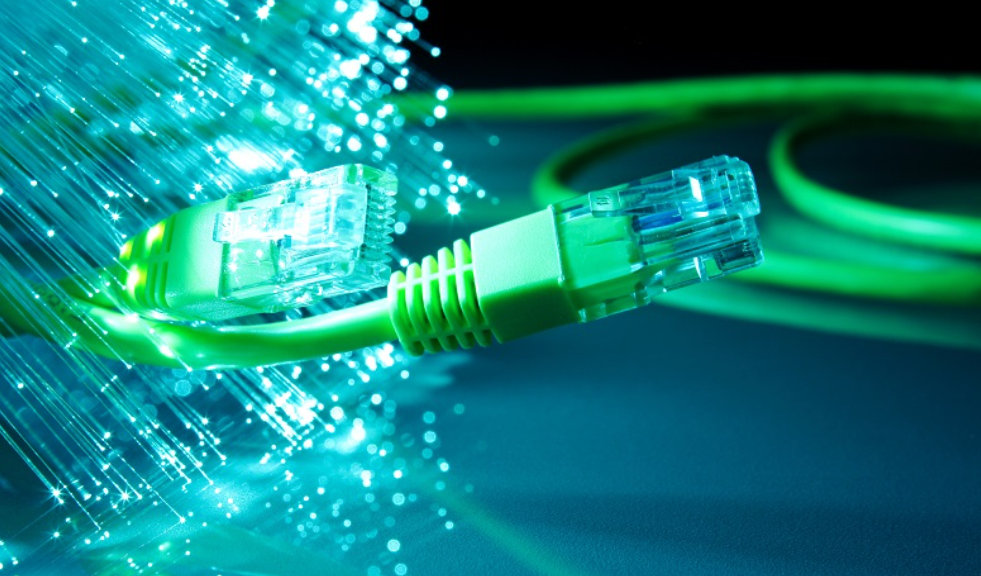
An ftth cable is a fiber optic cable designed specifically to deliver high-speed internet directly to homes, buildings, and businesses. It works by transmitting data through light signals instead of electrical impulses, which allows for extremely fast and stable communication over long distances.
The FTTH structure typically includes a central exchange, fiber distribution network, and last-mile fiber connections that reach individual users. This architecture ensures that data travels through a fully fiber-based pathway, reducing signal loss and improving overall performance.
Because of its design, FTTH provides a much more efficient internet experience compared to traditional broadband systems that rely on copper wiring for the final connection.
See also: Technology and Human Identity in the Modern Era
Why FTTH Cable Is Becoming So Important
The importance of ftth cable technology is increasing due to the massive growth in digital data consumption. Modern users expect seamless connectivity for streaming, gaming, video conferencing, and cloud-based applications.
Traditional internet systems often struggle with congestion during peak hours, leading to slow speeds and unstable connections. FTTH eliminates many of these issues by providing dedicated fiber lines that maintain consistent performance regardless of user load.
Another major factor is the rise of smart devices and IoT technology. Homes and businesses now operate multiple connected devices at the same time, all requiring stable bandwidth. FTTH infrastructure is capable of supporting these demands efficiently without performance drops.
Key Benefits of FTTH Cable Technology
Extremely High Internet Speeds
One of the biggest advantages of ftth cable networks is their ability to deliver ultra-fast internet speeds. Fiber optic technology allows data to travel at nearly the speed of light, making downloads, uploads, and streaming significantly faster.
Strong and Stable Connection Quality
Unlike copper-based systems, FTTH is not affected by electromagnetic interference or weather conditions. This results in a much more stable and reliable internet connection.
Low Latency Performance
FTTH systems provide extremely low latency, which is essential for real-time applications such as online gaming, video calls, and live streaming. This ensures smoother communication without delays.
Future-Proof Infrastructure
FTTH networks are designed to handle future technological advancements. As internet demand continues to grow, fiber systems can support higher speeds without requiring major infrastructure changes.
Applications of FTTH Cable in Modern Life
The use of ftth cable technology extends across multiple industries and everyday applications. In residential environments, it supports activities like streaming, online learning, remote work, and smart home automation.
In business settings, FTTH enables high-speed data transfer, cloud computing, video conferencing, and enterprise-level applications that require stable connectivity.
In urban development, FTTH plays a key role in building smart cities where traffic systems, surveillance networks, and public services rely on real-time data exchange.
Even sectors like healthcare and education benefit from FTTH through telemedicine platforms and digital learning systems that require uninterrupted internet access.
How FTTH Cable Is Transforming Internet Infrastructure
The global shift toward fiber-based networks is reshaping the entire telecommunications industry. ftth cable systems are replacing outdated copper infrastructure and enabling more efficient data transmission on a large scale.
One of the major improvements is the reduction in network congestion. Fiber optic systems provide significantly higher bandwidth capacity, allowing multiple users to access high-speed internet simultaneously without performance issues.
Additionally, FTTH improves overall network reliability and reduces maintenance requirements, making it a cost-effective long-term solution for service providers.
The Future of FTTH Cable Technology
The future of digital communication is closely connected to fiber optic expansion. Emerging technologies such as artificial intelligence, 5G networks, cloud computing, and virtual reality require extremely fast and stable internet infrastructure.
FTTH is well-positioned to support these technologies due to its high bandwidth capacity and scalability. As digital transformation accelerates, more regions will adopt fiber-based networks to meet increasing data demands.
In the coming years, FTTH is expected to become the global standard for broadband connectivity, replacing older systems and enabling a more connected world.
Final Thoughts
The evolution of internet technology clearly shows that speed, stability, and scalability are essential for modern digital life. In this transformation, ftth cable technology is playing a vital role by providing direct fiber connectivity that meets today’s high-performance requirements.
Its applications across homes, businesses, and smart infrastructure demonstrate how important fiber networks have become in supporting digital growth. From entertainment and communication to healthcare and education, FTTH is improving how people interact with technology every day.
As global connectivity demands continue to rise, FTTH will remain a core foundation of internet infrastructure. Its ability to deliver reliable, high-speed, and future-ready performance makes it one of the most important technologies shaping the digital era.


 By
By