
Millions of people have made the switch from cigarettes to e-cigarettes believing they were making a healthier choice. Others picked up vaping without ever smoking a cigarette, drawn in by flavored pods and a cloud of marketing messages suggesting it was essentially harmless. Neither group got the full story. The science on both products is more complicated than either side of the debate tends to admit, and understanding those nuances matters, especially if you or someone you care about uses either one regularly.
This article lays out what researchers currently know about how vaping and smoking affect the body, where the two genuinely differ, and where the risks overlap more than most people expect. No single source has all the answers yet, but the evidence is substantial enough to draw some useful conclusions.
How Each Product Delivers Nicotine
Traditional cigarettes burn tobacco. That combustion process creates smoke containing thousands of chemical compounds, including more than 70 known carcinogens, according to the American Cancer Society. Tar, carbon monoxide, formaldehyde, benzene: these byproducts of burning plant material are responsible for the bulk of the serious health consequences tied to long-term smoking.
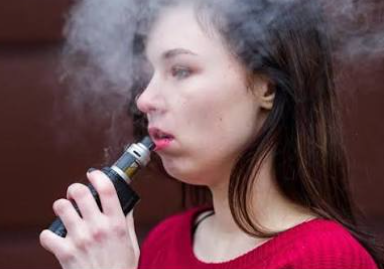
E-cigarettes work differently. A battery-powered heating element warms a liquid, usually containing nicotine, propylene glycol, vegetable glycerin, and flavorings, until it aerosolizes. The user inhales that vapor. Because nothing combusts, many of the most harmful combustion byproducts are absent. That distinction is real and meaningful. It is also not the whole picture.
The aerosol produced by e-cigarettes is not simply water vapor, despite what early marketing suggested. Studies have identified harmful substances including ultrafine particles, volatile organic compounds, and, depending on the device and temperature, detectable levels of formaldehyde and acetaldehyde. The concentrations are generally lower than in cigarette smoke, but lower does not mean zero.
What the Research Says About Health Risks
Cigarettes have decades of epidemiological data behind them. Researchers know with high confidence that long-term smoking causes lung cancer, heart disease, chronic obstructive pulmonary disease (COPD), stroke, and a range of other serious conditions. Smoking is linked to roughly 480,000 deaths per year in the United States alone, according to the Centers for Disease Control and Prevention (CDC).
Vaping does not have that same longitudinal data yet, simply because the products have not been around long enough. What researchers do have is a growing body of shorter-term studies, and those studies paint a more nuanced picture than either enthusiasts or critics tend to acknowledge.
Lung and Respiratory Effects
The 2019 outbreak of EVALI (e-cigarette or vaping product use-associated lung injury) brought acute vaping dangers into sharp focus. The CDC ultimately linked the majority of EVALI cases to vitamin E acetate, an additive found primarily in illicit THC cartridges rather than regulated nicotine products. Still, the episode demonstrated that vaping is not without serious pulmonary risk under certain conditions. Separately from EVALI, studies have found that vaping can cause airway inflammation, reduce lung function over time, and increase susceptibility to respiratory infections.
Cardiovascular Effects
Nicotine itself, regardless of delivery method, raises heart rate and blood pressure and contributes to arterial stiffness. A 2019 study published in the Journal of the American College of Cardiology found that e-cigarette users showed signs of impaired vascular function similar to those seen in cigarette smokers. The absence of carbon monoxide in vapor is a genuine advantage for cardiovascular health, but nicotine’s direct effects on the heart and blood vessels remain a concern for both product types.
Side-by-Side Comparison: Cigarettes vs. E-Cigarettes
| Factor | Cigarettes | E-Cigarettes |
| Combustion involved | Yes | No |
| Known carcinogens present | 70+ confirmed | Fewer, but some detected |
| Carbon monoxide exposure | High | Negligible |
| Nicotine delivery | Yes | Yes (in most products) |
| Long-term health data | Extensive | Limited (product is newer) |
| Secondhand exposure risk | Well-documented | Lower, but not eliminated |
| Addiction potential | High | High (especially pod-based devices) |
| Regulation | Heavily regulated | Increasingly regulated (FDA oversight in U.S.) |
The Addiction Question
One area where vaping and smoking converge almost entirely is addiction. Nicotine is one of the most addictive substances known, and many e-cigarette products deliver it in concentrations that match or exceed traditional cigarettes. Pod-based systems like early-generation JUUL products used nicotine salt formulations that allowed for much higher nicotine concentrations with a smoother inhale, making it easier to consume large amounts without the harshness that sometimes limits cigarette intake.
This has particular implications for young people. The CDC reported that in 2023, e-cigarettes remained the most commonly used tobacco product among U.S. middle and high school students. Many of these users have never smoked cigarettes, meaning vaping is not functioning as a harm-reduction tool for them; it is introducing nicotine dependence for the first time.
For adults who already smoke heavily, switching to vaping may reduce exposure to combustion-related toxins. Public Health England (now the UK Health Security Agency) famously estimated in 2015 that vaping is approximately 95% less harmful than smoking, a figure that has been both widely cited and heavily debated since. More recent research suggests the actual risk reduction is harder to quantify and depends enormously on usage patterns, device type, and whether a person fully quits smoking or uses both products simultaneously, a behavior known as dual use.
Dual Use and Why It Matters
A significant portion of people who take up vaping to quit smoking end up doing both. Research from Truth Initiative found that among smokers who tried e-cigarettes to quit, many continued smoking cigarettes alongside them. Dual use does not deliver the health benefits of fully switching; in some respects, it may compound risks by maintaining nicotine dependence while adding vapor-related exposures on top of smoke-related ones.
Understanding the actual difference between these two products, including where the evidence is strong and where it remains uncertain, is the foundation of making an informed decision. A detailed breakdown of what research currently shows, including the chemical differences and health outcomes studied so far, is available at https://opustreatment.com/blog/vaping-vs-cigarettes/, which walks through the comparison in practical terms for people trying to make sense of their options.
What Quitting Either Product Actually Involves
Whether someone smokes or vapes, cessation follows a broadly similar path because the core challenge is nicotine dependence. The brain adapts to regular nicotine exposure by downregulating its own dopamine pathways, which is why withdrawal brings irritability, difficulty concentrating, disrupted sleep, and intense cravings.
Proven cessation tools include nicotine replacement therapies (patches, gum, lozenges, inhalers), prescription medications like varenicline (brand name Chantix) and bupropion, and behavioral support such as counseling or structured quit programs. These approaches work for both smokers and vapers, though clinical trials have historically focused more on cigarette cessation than vaping cessation specifically.
- Nicotine replacement therapy (NRT): patches, gum, lozenges, nasal spray, and inhalers are FDA-approved options.
- Varenicline (Chantix): a prescription medication that reduces cravings and the rewarding effects of nicotine.
- Bupropion (Zyban): an antidepressant also approved for smoking cessation that affects dopamine and norepinephrine pathways.
- Behavioral counseling: individual, group, or telephone-based support consistently improves quit rates when combined with pharmacotherapy.
- Quitlines: free telephone-based coaching is available in all 50 U.S. states through 1-800-QUIT-NOW.
One thing worth knowing is that quitting vaping cold turkey tends to produce withdrawal symptoms that are comparable in intensity to quitting cigarettes, particularly for heavy pod users. The timeline is similar too: acute withdrawal peaks within the first 72 hours and gradually subsides over two to four weeks, though cravings can surface periodically for months afterward.
See also: Prednisone Withdrawal: Symptoms, Timeline & Relief
Where the Evidence Stands Right Now
The honest summary is this: cigarettes carry a well-documented, severe long-term health burden built on decades of research. E-cigarettes carry fewer confirmed harms from combustion but introduce their own risks, some still being defined, and they sustain the same core addiction that drives harm in the first place. For a confirmed heavy smoker, switching fully to vaping likely reduces certain specific risks. For a nonsmoker or teenager, starting to vape introduces health and addiction risks with no offsetting benefit.
The framing of vaping as either completely safe or just as dangerous as smoking misses the more textured reality. Both products deserve to be understood on the basis of what research actually shows, not what any particular industry or advocacy group prefers. Staying informed, asking questions, and understanding the specific mechanisms at play is the most useful starting point for anyone trying to think clearly about nicotine products and their health.


 By
By