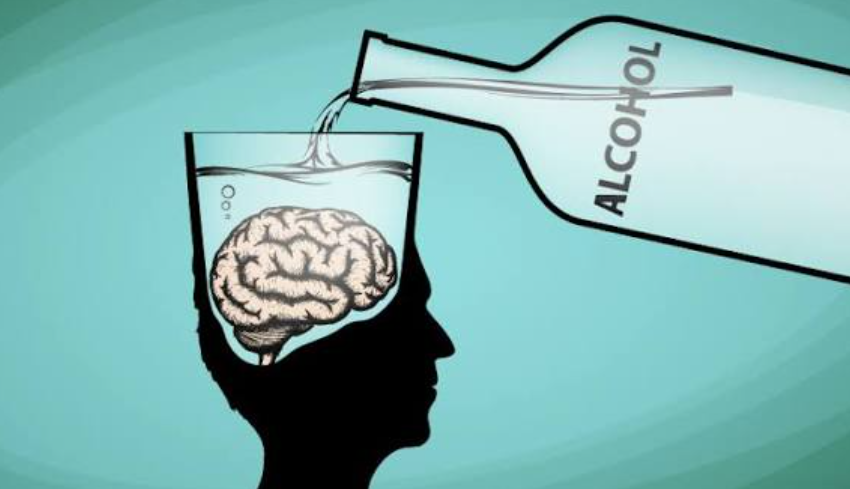

Most people who drink regularly never set out to become dependent on alcohol. It happens gradually, through a process that involves real, measurable changes to the brain and body. Understanding those changes doesn’t just satisfy curiosity. It can help people recognize warning signs in themselves or someone they care about, and it makes the science of recovery make a lot more sense.
This article breaks down what alcohol actually does inside the body, why dependence forms, how the organs are affected over time, and what the research says about long-term risk. No scare tactics, just the physiology.
What Happens in the Brain When You Drink
Alcohol is a central nervous system depressant. That classification is often misunderstood. It doesn’t mean alcohol always makes people feel sad or slow. It means alcohol suppresses neural activity by enhancing the effect of gamma-aminobutyric acid, commonly known as GABA. GABA is the brain’s primary inhibitory neurotransmitter. When it’s amplified, the nervous system calms down, which produces the relaxed, loosened-up feeling most drinkers recognize.
At the same time, alcohol suppresses glutamate, an excitatory neurotransmitter. The combined effect is reduced activity across the brain. That’s why motor coordination, reaction time, judgment, and impulse control all decline as blood alcohol concentration rises. These are not personality flaws showing up. They are direct neurochemical effects.
Alcohol also triggers a release of dopamine in the brain’s reward circuitry. Dopamine is associated with pleasure and reinforcement. That surge is part of why drinking feels rewarding, and it’s a key reason the brain begins to associate alcohol with feeling good. Over repeated exposures, the brain adjusts. It starts producing less dopamine on its own and becomes less sensitive to it. More alcohol is then needed to achieve the same effect. This is the beginning of tolerance.
How Tolerance and Dependence Develop
Tolerance is not just about needing more drinks to feel the same buzz. It reflects genuine neuroadaptation. The brain recalibrates its baseline activity to compensate for the constant presence of a depressant. Over time, the nervous system essentially operates in a state of chronic suppression and compensates by ramping up its own excitatory signaling.
Here’s where things get medically significant. When a person who has developed tolerance stops drinking suddenly, that compensatory excitatory activity doesn’t disappear immediately. The brain is now operating in overdrive without the dampening effect of alcohol. This is what causes withdrawal symptoms. Anxiety, tremors, elevated heart rate, insomnia, and in serious cases, seizures and delirium tremens can all result. According to the National Institute on Alcohol Abuse and Alcoholism, about 50 percent of people with alcohol use disorder experience withdrawal symptoms when they stop drinking.
Physical dependence is defined by this withdrawal pattern. Psychological dependence, on the other hand, involves craving, emotional reliance on drinking to cope, and a sense that normal functioning requires alcohol. Both can develop independently, though they often occur together. This dual nature of dependence is one reason treating alcohol addiction requires approaches that address both the body’s physical needs and the underlying psychological patterns driving the behavior.
Organ-Level Damage from Long-Term Alcohol Use
The brain gets a lot of attention, but alcohol affects almost every major organ system. Some damage is reversible if drinking stops early enough. Some is not. The timeline and severity depend on how much a person drinks, how often, their genetics, their nutritional status, and other individual factors.
The Liver
The liver is responsible for metabolizing about 90 percent of the alcohol a person consumes. It can process roughly one standard drink per hour. When drinking outpaces that capacity, alcohol and its byproducts, particularly acetaldehyde, accumulate and damage liver cells. The progression of liver disease typically follows a recognizable pattern: fatty liver first, then alcoholic hepatitis, then cirrhosis. Fatty liver is largely reversible with abstinence. Cirrhosis involves permanent scarring and is not.
The Heart
Moderate alcohol use has long been studied in relation to cardiovascular health, with some research suggesting a modest protective effect for certain heart conditions. However, heavy or chronic drinking tells a very different story. It is associated with cardiomyopathy, a condition where the heart muscle weakens and loses its ability to pump effectively. It also increases the risk of arrhythmias, particularly atrial fibrillation, and raises blood pressure over time.
The Pancreas and Digestive System
Alcohol causes the pancreas to produce toxic substances that can trigger inflammation. Pancreatitis, both acute and chronic, is strongly linked to heavy alcohol use. The digestive system is also affected. Alcohol irritates the lining of the stomach and intestines, increases acid production, and over time can impair the gut’s ability to absorb key nutrients including B vitamins, folate, and zinc.
Alcohol Use by the Numbers
Putting this in context with current data helps illustrate how widespread the issue actually is. The following figures come from sources including the National Institute on Alcohol Abuse and Alcoholism and the World Health Organization.
| Statistic | Figure | Source |
| Adults in the U.S. with alcohol use disorder | Approximately 29.5 million | NIAAA, 2021 National Survey |
| Annual U.S. deaths attributable to excessive alcohol use | About 95,000 | CDC estimate |
| Global deaths linked to alcohol each year | Approximately 3 million | World Health Organization |
| Adults who received treatment for alcohol use disorder | Less than 10 percent of those who needed it | NIAAA |
| Average years of life lost per alcohol-related death | About 26 years | CDC |
The treatment gap is one of the most striking figures in that table. The vast majority of people who meet clinical criteria for alcohol use disorder never receive any form of professional help. Stigma, lack of access, cost, and the belief that the problem isn’t serious enough all play roles in that gap.
Risk Factors That Increase Vulnerability
Not everyone who drinks heavily develops dependence, and not everyone who drinks moderately is protected from it. Several factors shift the risk profile significantly.
- Genetics: Research suggests that genetic factors account for roughly 50 percent of the risk for alcohol use disorder, according to the American Psychological Association.
- Age of first use: People who begin drinking before age 15 are four times more likely to develop alcohol dependence than those who start at 21 or older, per the NIAAA.
- Mental health conditions: Depression, anxiety, PTSD, and trauma histories are strongly associated with higher rates of alcohol misuse.
- Social environment: Peer norms, family drinking patterns, and cultural attitudes toward alcohol all influence behavior.
- Stress and coping: People who rely on alcohol as a primary stress management tool are at higher risk of developing problematic patterns over time.
These factors interact with each other. Someone with a genetic predisposition who also experiences early trauma and high stress may face compounding risk that no single intervention addresses fully. That complexity is worth understanding because it pushes back against the idea that alcohol problems are simply about willpower or choices.
See also: Mental Health Awareness: What It Really Means
What Recovery Actually Involves
Because dependence involves real neurological and physiological changes, recovery is not simply a matter of deciding to stop. For people who have developed physical dependence, stopping abruptly can be medically dangerous. Supervised detox exists precisely because withdrawal from alcohol can be life-threatening in severe cases, unlike withdrawal from many other substances.
After detox, the work shifts toward addressing what drove the drinking pattern and building new ways to manage stress, emotions, and social situations. Behavioral therapies, peer support, medications like naltrexone or acamprosate, and long-term follow-up all have evidence behind them. The specific combination varies by individual. Recovery is not a single path, and the duration of treatment that tends to produce the best outcomes is longer than most people initially expect.
Understanding the biology of alcohol dependence also helps reduce the shame that often surrounds it. The brain changes documented by researchers are not signs of moral failure. They are consequences of a substance that is chemically capable of rewiring the brain’s reward and stress systems over time. That reframing doesn’t eliminate personal responsibility, but it does make the path forward clearer and more grounded in reality.
Alcohol is legal, widely available, and deeply embedded in many social traditions. That combination makes it easy to underestimate how profoundly it can affect the body and brain with sustained heavy use. The physiology is what it is, regardless of cultural context. Knowing how it works gives people a more honest foundation for making decisions, recognizing patterns, and understanding what recovery realistically requires.


 By
By