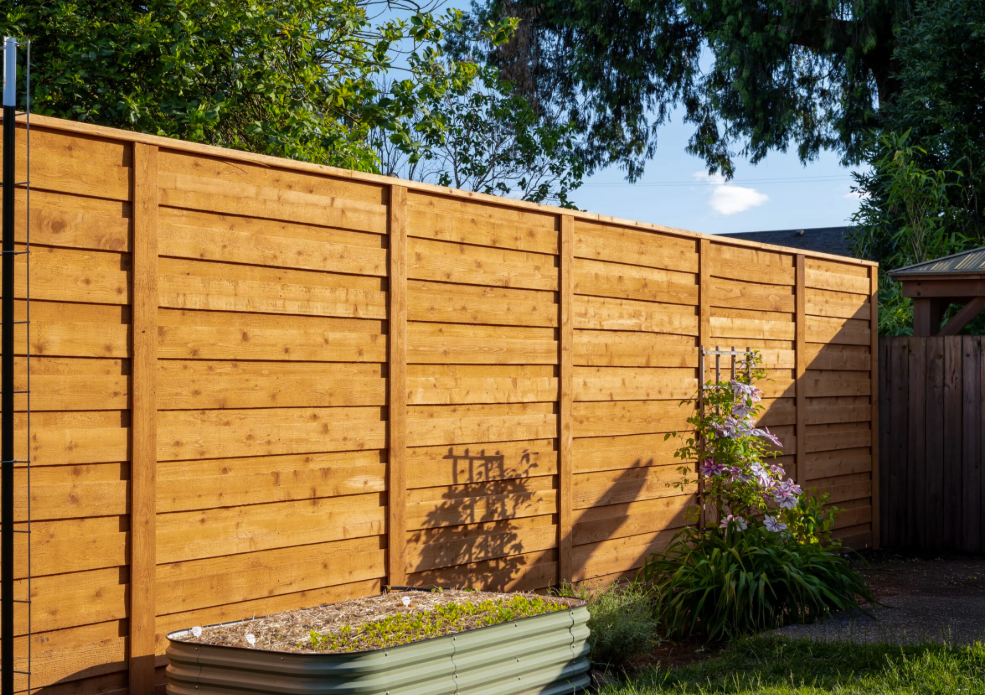

Fence, deck, and patio replacement projects can make a property feel cleaner, safer, and more usable, but the construction process often creates more debris than homeowners expect. Old lumber, broken boards, concrete footings, patio pavers, railing materials, fasteners, soil, stone, packaging, and general construction waste can build up quickly once removal begins. Without a cleanup plan, the project area can become crowded before the new installation even starts.
For homeowners, managing cleanup is an important part of keeping an exterior replacement project organized. Whether the work is handled by a contractor or completed as a do-it-yourself upgrade, planning for debris removal helps protect the property, reduce safety concerns, and keep the project moving toward a cleaner finished result.
Why Exterior Replacement Projects Create So Much Debris
Fence, deck, and patio projects usually begin with demolition. That means existing materials have to be removed before new construction can take place. A fence replacement may involve old panels, posts, rails, concrete footings, gates, wire, hardware, and damaged landscaping along the fence line. A deck replacement can produce old boards, framing lumber, railing sections, stairs, nails, screws, posts, and footings.
Patio replacement projects may involve even heavier materials such as concrete, pavers, brick, stone, gravel, sand, edging, and compacted base material. These materials can take up a lot of space and may be difficult to move without a clear plan.
Because exterior projects often cover several parts of the yard, debris can spread quickly if it is not contained from the beginning.
See also: Kansas City Drain Cleaning: Essential Insights for Local Homeowners
Start Cleanup Planning Before Demolition
Homeowners often focus on the new fence style, deck layout, or patio design, but the removal phase deserves just as much attention. Before work begins, it helps to decide where old materials will go, how they will be moved, and how long they will remain on the property.
If a contractor is performing the work, cleanup responsibilities should be discussed before demolition starts. Homeowners should know whether debris removal is included, where materials will be staged, and how the work area will be left at the end of each day.
Planning early avoids confusion once boards, posts, pavers, and broken materials start coming out.
Create a Dedicated Debris Area
One of the easiest ways to keep an exterior replacement project organized is to establish one designated debris collection area. Instead of allowing removed materials to pile up in several locations, old materials should be carried or moved to a controlled space.
Many homeowners arrange cleanup support through Waste Removal USA when fence, deck, or patio replacement projects generate more waste than normal household trash can handle. A centralized disposal area makes the project easier to manage and helps keep the rest of the property usable during construction.
The location should be convenient for workers but far enough away from doors, driveways, walkways, and finished landscaping to avoid unnecessary disruption.
Keep Access Routes Clear
Fence, deck, and patio projects require frequent movement between the work area, material staging area, and disposal location. Contractors may need to move wheelbarrows, saws, lumber, concrete pieces, pavers, tools, and new materials across the property.
Clear access routes help prevent delays and reduce the risk of damage to lawns, garden beds, driveways, or walkways. Homeowners should think about how workers will move through the property before the project begins.
If the backyard is only accessible through a narrow gate, side yard, or shared driveway, debris handling may require extra coordination.
Manage Old Fence Materials Carefully
Fence replacement often creates long, awkward pieces of debris. Panels, posts, rails, lattice, wire, and gate hardware can be difficult to stack neatly if they are pulled out quickly and left wherever they fall.
Old fence materials may also contain nails, screws, staples, splintered wood, or rusted metal parts. These materials should be moved to the debris area promptly rather than left along property lines or near walkways.
If concrete footings are removed, they should be separated from lighter fence materials when possible. Concrete is much heavier than wood and may require different handling during cleanup.
Control Deck Demolition Waste
Deck replacement can create a large amount of debris in a short time. Old deck boards, joists, beams, railing sections, stairs, posts, lattice, and fasteners may all need to be removed before the new structure can be built.
Because deck materials often contain exposed nails and screws, cleanup should happen as demolition progresses. Leaving boards scattered across the yard can create hazards for workers, homeowners, children, and pets.
A clean demolition area also gives contractors better visibility when evaluating framing, footings, drainage, and the condition of the surrounding property.
Plan for Heavy Patio Debris
Patio replacement projects often involve dense materials that are harder to manage than wood. Concrete slabs, pavers, bricks, stone, gravel, and compacted base material can become heavy quickly, even if the pile does not look large.
Homeowners should avoid assuming that patio debris can be handled the same way as light renovation waste. Heavy materials need to be moved carefully and should not be staged where they block access or damage lawns and paved areas.
If a patio is being removed in sections, cleanup should be coordinated along the way so the work area does not become overcrowded.
Separate New Materials from Old Debris
Replacement projects usually involve new materials arriving while old materials are still being removed. Fence panels, deck boards, railing systems, pavers, stone, concrete products, fasteners, and outdoor fixtures may all need to be staged somewhere on the property.
Keeping new materials away from demolition debris helps prevent damage and confusion. It also makes installation more efficient because workers can easily find what they need.
A clean staging area for new materials can reduce unnecessary handling and help protect the investment homeowners are making in the project.
Protect the Yard and Existing Landscaping
Exterior replacement projects often take place near lawns, flower beds, shrubs, trees, patios, driveways, and other finished areas. Debris piles, wheelbarrow paths, and repeated foot traffic can damage these areas if cleanup routes are not planned carefully.
Homeowners should discuss property protection with contractors before work begins. This may include avoiding certain areas, using designated paths, keeping heavy debris off sensitive landscaping, and preventing sharp materials from being dragged across finished surfaces.
Good cleanup planning helps prevent avoidable damage that can add frustration after the main project is complete.
Keep Pets and Children Away from Debris
Fence, deck, and patio replacement projects can create hazards around the home. Splintered boards, loose nails, sharp metal, broken concrete, exposed holes, and unstable material piles can be dangerous.
Homeowners with children or pets should keep them away from the work area until cleanup is complete. Even if construction pauses for the day, debris piles and partially removed structures may still present risks.
A clear debris plan makes it easier to identify which areas are safe and which should remain off-limits.
Coordinate Cleanup with Project Phases
Cleanup should not wait until the very end of the project. Fence, deck, and patio replacements often move through phases, and each phase creates different waste.
Fence removal may happen section by section. Deck demolition may need to be completed before framing starts. Patio removal may require old materials to be cleared before base preparation begins.
Removing debris at these transition points keeps the project moving smoothly. It also gives crews more room to work and helps homeowners see progress as the old structure is replaced with something new.
Prepare for Unexpected Materials
Exterior projects often reveal surprises once demolition starts. Old fence posts may be set deeper than expected. Deck framing may have hidden rot. Patio areas may include extra layers of stone, buried concrete, old edging, or poor drainage material beneath the surface.
These discoveries can increase the amount of debris that needs to be removed. Homeowners should build some flexibility into the cleanup plan so unexpected materials do not create delays.
A project that seems simple at first can generate more waste once older construction layers are uncovered.
Maintain a Cleaner Property During Construction
A replacement project does not have to make the entire yard feel unusable. With organized cleanup, homeowners can limit the mess to controlled work zones and keep other areas of the property easier to access.
This is especially important when the project lasts several days or when homeowners need to continue using the driveway, garage, side yard, or back entrance. Daily cleanup habits can make the process feel less disruptive.
A cleaner job site also makes it easier to communicate with contractors and monitor progress.
Make Final Cleanup Easier
When debris is managed throughout the project, final cleanup becomes much simpler. Instead of dealing with scattered piles of old materials, crews can focus on finishing details, sweeping, removing small scraps, and preparing the new fence, deck, or patio for use.
This final stage matters because homeowners want to enjoy the completed improvement, not spend extra time dealing with leftover construction debris. A strong cleanup plan helps the project end on a more professional note.
Managing cleanup during fence, deck, and patio replacement projects is an important part of keeping exterior residential construction organized. By planning debris removal early, creating a dedicated collection area, keeping access routes clear, protecting landscaping, and coordinating cleanup with each project phase, homeowners can reduce stress and keep the property safer throughout the work.
Whether the project involves old fence panels, worn deck boards, broken concrete, pavers, soil, or construction packaging, thoughtful waste management helps the replacement process move more smoothly. When debris is handled properly, the property stays cleaner, contractors can work more efficiently, and homeowners can enjoy the finished upgrade sooner.


 By
By

 By
By