
There’s a version of this conversation happening in driveways and backyards all over the country. A homeowner gets a diagnosis of a failing sewer line and almost immediately hears two words: trenchless repair. It sounds clean, fast, and modern. And often, it is. But not always.
The trenchless method has been marketed aggressively over the past few years, and for good reason. When it works, it works well. The problem is that “when it works” comes with conditions that don’t always get explained clearly before a homeowner signs anything.
This isn’t about discrediting a technology. It’s about giving you the full picture so you can ask better questions and understand what you’re actually paying for.
What Trenchless Repair Actually Is
Trenchless repair covers a couple of different methods, most commonly pipe lining (also called CIPP, or cured-in-place pipe) and pipe bursting.
With pipe lining, a resin-saturated liner is inserted into the existing pipe and then cured in place, essentially creating a new pipe within the old one. With pipe bursting, a head is pulled through the old pipe, breaking it outward while simultaneously pulling new pipe in behind it.
Both methods require minimal digging. That’s the appeal. You don’t lose your landscaping, your driveway stays intact, and the job is often finished faster than traditional open-cut work.
For the right situation, trenchless is genuinely a solid option. The issue comes when it is applied to pipes that aren’t good candidates for it.
When Trenchless Doesn’t Hold Up
Pipe lining requires the existing pipe to have enough structural integrity to hold the liner during installation. If a section has already collapsed, not cracked, but fully caved in, there’s nothing for the liner to travel through or adhere to. The method simply won’t work.
Similarly, severe root intrusion that has deformed the pipe’s shape, significant joint misalignment, or bellied sections (where the pipe has sunk and created a low point that holds standing water) are all situations where lining provides, at most, a temporary patch. The underlying structural problem doesn’t go away.
Pipe bursting is more aggressive and can handle some of these issues, but it comes with its own limitations. It works best on pipes with a relatively straight run and isn’t always practical when lines run beneath foundations, near utility crossings, or in tight configurations.
What Full Plumbing Excavation Actually Involves
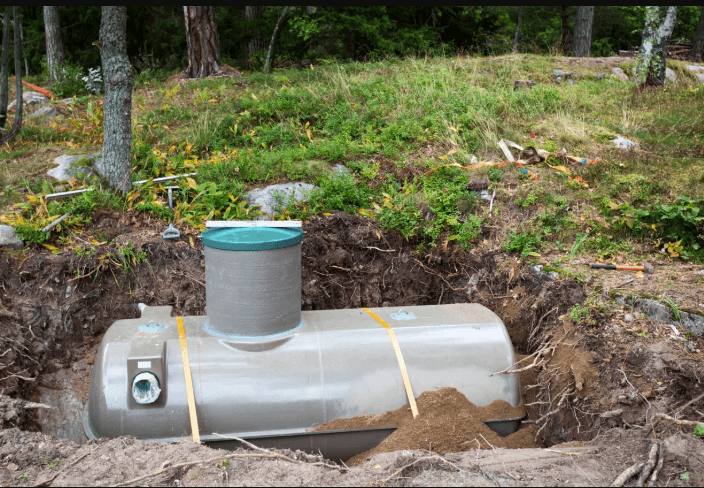
Plumbing excavation means digging down to access the damaged line, removing the compromised section, and replacing it with new pipe, typically PVC, which resists corrosion and root penetration far better than older materials.
It’s more disruptive on the surface, yes. A trench gets dug, the yard or paving takes some impact, and restoration work follows. But the result is a completely new line with a full service life ahead of it, not a patch job on a pipe that was already compromised before any work began.
There’s a version of the conversation that doesn’t happen enough: What’s the long-term cost of choosing trenchless on a pipe that needed full plumbing excavation? In some cases, homeowners who go the trenchless route on unsuitable pipes end up with the same problems within a few years and then pay for excavation anyway, on top of what they already spent.
See also: Digital Identity on Blockchain
How to Know Which One You Actually Need
A proper camera inspection is non-negotiable. Any plumber recommending a repair method without first running a camera through the full length of the line is skipping a step that directly affects the accuracy of their recommendation.
The camera footage tells you the condition of the pipe wall, whether there are collapsed sections, how severe root intrusion is, whether joints are aligned, and whether there are low spots causing pooling. That footage should be shared with you, not just summarized.
If you want to understand what’s involved in a full line replacement before you’re in the middle of a crisis, reviewing what goes into professional plumbing excavation services is a good place to start. The team at Drain Guys offers a straightforward look at the process of plumbing excavation services so you can go into any diagnostic conversation knowing what questions to ask.
The Real Cost Comparison
Trenchless repair typically costs less upfront. That’s real. Pipe lining for an average residential run might fall in the $80–$250 per foot range. Full plumbing excavation costs more because it involves more labor, equipment, and restoration work.
But the upfront number is only one part of the equation. A trenchless repair done on a pipe that needed full replacement may fail within two to five years, depending on the underlying condition. A properly executed plumbing excavation service on a fully replaced line typically carries a service life measured in decades.
When you factor in the cost of a second repair, plus the landscaping, plus the disruption of going through it all again, the math doesn’t always favor the cheaper option at the start.
Final Thoughts
Trenchless technology is a genuine advancement in plumbing repair, and it’s the right call in plenty of situations. But the way it’s marketed sometimes outpaces the honesty of how it gets applied. Not every failing pipe is a good candidate for lining or bursting, and a recommendation that doesn’t come with a thorough camera inspection and a clear explanation of why that method fits your specific pipe should raise questions.
Full plumbing excavation isn’t a sign that something went more wrong than expected. In many cases, it’s just the accurate answer to what the pipe actually needs. Knowing the difference before you’re standing in front of a contractor with a clipboard puts you in a much stronger position to make a decision you won’t regret.


 By
By